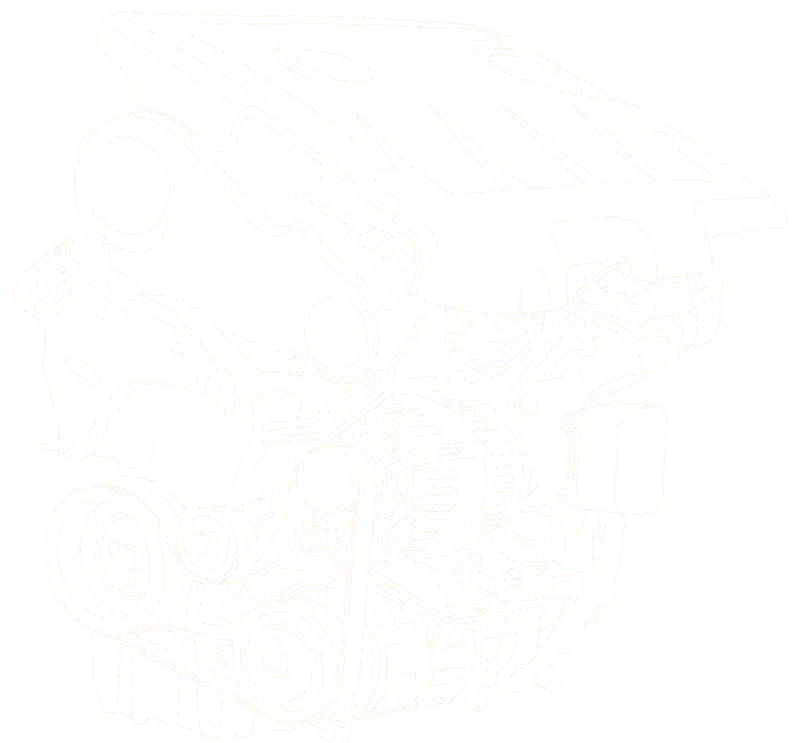
Volkswagen/EA189
Volkswagen · Naturally aspirated

Volkswagen Golf TDI EA189

Golf TDI·Mk6·20082015·Verified 13 Jul 2026

"I bought my Mk6 TDI with 130k on the clock and zero belt history, so I paid for a full kit with water pump before I even drove it home. Best money I've spent, if that belt had let go at speed it would have written the engine off completely."

SOLID
60/ 100
"Mechanically robust TDI block, but Dieselgate and timing belt discipline are non-negotiable"
Compare

Power Variants

110 hp · 250 Nm
CFFA
2009–2012
Entry-level tune on the same block as the 140 and 170 hp versions, lower turbo boost and reduced injector output, otherwise shares all the same timing belt and emissions risk points.
140 hp · 320 Nm
CFFB
2009–2012
The most common variant fitted to the Golf Mk6 TDI, identical bottom end and known failure points to the 110 and 170 hp versions.
170 hp · 350 Nm
CFGB
2009–2012
Highest factory output for the Mk6, uses a larger turbocharger and higher-flow injectors, but the block, timing belt design, and defeat device software are unchanged from the lower-power versions.

Recommendation

Power output does not change the underlying Dieselgate or timing belt risk profile since all three variants share the same block, timing belt layout, and emissions software history. Choose based on desired performance and running costs, not any perceived reliability difference, and apply the identical buying checklist (recall status, belt history, EGR and DPF condition) regardless of which hp variant you are looking at.

Max HP
Torque Nm
10,000
Oil interval km
1
Recalls
6
Known issues

Known Issues

Dieselgate Emissions Software / NOx Defeat Device€0-1,500 · 0-200,000 kmHIGH

The EA189 is the engine at the centre of the Volkswagen Dieselgate scandal. The engine was fitted with software that detected emissions testing conditions and altered combustion accordingly. VW issued a mandatory recall and software fix, but many owners report post-fix performance and fuel economy changes. This is a compliance and driveability issue rather than a mechanical failure risk in itself, but it does place extra load on the EGR and DPF over time. Verify whether the recall update has been applied before buying.

Check engine light post-software update
Reduced performance or fuel economy after recall fix
Potential long-term DPF and EGR stress from updated mapping
DIY: Not applicable, dealer or official action required
Timing Belt Failure Risk€600-1,800 · 90,000-160,000 kmCRITICAL

The EA189 uses a timing belt that also drives the water pump. VW's official interval is 8 years or 120,000 to 160,000 km, but community consensus strongly recommends replacement at 90,000 km or earlier if service history is unknown. This is an interference engine, so belt failure causes catastrophic internal damage.

No warning before catastrophic failure
Engine will not start if belt has snapped
Bent valves and piston damage if belt fails at speed
DIY: Advanced, specialist tooling required for timing lock
EGR Cooler and EGR Valve Fouling€300-900 · 100,000-180,000 kmHIGH

The EGR system on the EA189 accumulates carbon deposits and the cooler degrades over time, particularly after the emissions recall software update altered combustion parameters. Clogged EGR valves cause rough idling, power loss, and increased smoke. EGR cooler leaks can introduce coolant into the intake.

Rough idle or hesitation under load
White or grey smoke from exhaust
Coolant loss without visible external leak
Check engine light with EGR-related fault codes
DIY: Moderate, accessible with basic tools but time-consuming
DPF (Diesel Particulate Filter) Blockage€500-2,000 · 100,000-150,000 kmHIGH

The EA189 DPF is prone to premature blockage, especially in cars used mainly for short urban trips where passive regeneration cannot complete. Post-Dieselgate software updates increased the frequency and aggression of active regeneration cycles, placing additional stress on the DPF.

DPF warning light illuminated
Loss of power with limp mode activation
Increased fuel consumption
Frequent forced regeneration cycles
DIY: Moderate, professional forced regeneration or chemical cleaning often needed
Injector Seal and Valve Cover Gasket Oil Leaks€200-700 · 80,000-160,000 kmMODERATE

Forum data identifies injector seal leaks and valve cover gasket seepage as recurring maintenance items on the EA189. Oil contamination around the injector area can worsen over time and affect sealing of adjacent components.

Oil smell from engine bay
Visible oil residue around valve cover or injector area
Oil on spark plug wells or surrounding components
DIY: Moderate, straightforward parts but fiddly access
Post-Emissions Recall Performance Degradation€0-200 · 0-200,000 kmLOW

A subset of owners report that following the mandatory Dieselgate software update, the engine produces less torque, feels less responsive, and returns slightly worse real-world fuel economy. This is inherent to the revised mapping and is not a mechanical failure, but it affects ownership satisfaction.

Subjectively reduced throttle response
Slightly higher fuel consumption
More frequent DPF regeneration events
DIY: Not applicable
Advertisement

Official Recalls

RecallEA189 Emissions Defeat Device Software

Illegal NOx emissions exceeding regulatory limits under real-world driving conditions, engine management software manipulated test cycle results

Remedy: Mandatory software update (ECU reflash) issued by Volkswagen Group across all affected EA189 variants, some variants also received a flow transformer in the air intake. Verify completion via VW recall checker using VIN.

Buying Checklist

Confirm the Dieselgate recall has been completed using VW's official VIN checker, get written proof or a service stamp
Demand full timing belt service history with mileage and date, if over 90,000 km or 8 years with no record, budget for immediate replacement
Perform an OBD scan for live and stored fault codes, specifically check for EGR, DPF, and emissions-related codes
Inspect engine bay for oil leaks around the valve cover and injector area, look for oil residue on surrounding components
Ask seller about typical driving pattern, predominantly urban short trips dramatically increase DPF failure risk
Check coolant level and condition for signs of EGR cooler leak, milky or discoloured coolant is a red flag
Ask which power variant (110, 140 or 170 hp) the car is and confirm the engine code matches the log book, as all share the same timing belt and defeat device risk regardless of output

Service Reality

Community oil interval10,000 km
Oil specificationVW 507.00 5W-30 fully synthetic (longlife-approved, do not use 504.00 if DPF is fitted)
Est. ownership cost (2yr)€2,500–6,500 over 3 years depending on timing belt service status at purchase, DPF/EGR condition, and mileage
Real mix fuel consumption5.7 L/100km

Strong Points

Proven diesel architecture with strong torque output for the class
Timing belt design preferred by many specialists over timing chain alternatives for serviceability, provided intervals are respected
Wide parts availability and extensive specialist knowledge base across independent garages
Good fuel efficiency in real-world motorway conditions when DPF and EGR are healthy
Large owner community on TDIClub and VW Vortex provides detailed DIY guidance
Mechanically one of the more durable common rail diesel blocks of its era once belt and emissions items are addressed

Also Found In

VW Passat B6/B7 2.0 TDIVW Tiguan Mk1 2.0 TDIVW Jetta Mk5/Mk6 2.0 TDIAudi A3 8P 2.0 TDIAudi A4 B8 2.0 TDISEAT Leon Mk2 2.0 TDISEAT Altea 2.0 TDISkoda Octavia Mk2 2.0 TDISkoda Superb Mk2 2.0 TDI

Time Bomb Parts Inspect Proactively

Timing Belt, Tensioner, Idler Pulleys and Water Pump
Replace as a complete kit, never belt alone. Community consensus is to replace at 90,000 km regardless of age, and certainly before purchase if history is unknown.
90,000 km
EGR Valve and EGR Cooler
Inspect and clean at 100,000 km, replace cooler if any coolant contamination is found. Do not ignore early symptoms.
100,000 km
DPF (Diesel Particulate Filter)
Confirm DPF is not blocked or illegally removed. Force a motorway regeneration cycle, scan for DPF pressure differential faults before buying.
100,000-150,000 km

Buying Advice

The EA189 is a mechanically capable diesel engine overshadowed by the Dieselgate scandal and its aftermath. Always verify the emissions recall has been completed and understand that the post-fix software may have altered long-term DPF and EGR loading. Timing belt condition is the single most important mechanical check on this engine: it is an interference design, and unknown history on a high-mileage example means budgeting for an immediate full kit replacement before use. This engine rewards disciplined servicing with shorter oil intervals and genuine VW-spec oil, neglected examples accumulate EGR and DPF problems quickly. Buy only with a full service history, confirmed recall completion, and a pre-purchase OBD scan from a TDI-specialist independent garage.

Community Sentiment

Mixed to negative on the emissions side, more positive on the mechanical side. Owner sentiment is heavily influenced by Dieselgate, many feel betrayed by VW and report post-recall performance changes. Mechanically, those with full service history and timely timing belt replacements report reasonable reliability over high mileages. High-mileage neglected examples with DPF and EGR issues generate the most negative feedback on TDIClub and Honest John forums.

Frequently Asked Questions

// 18 logged
How reliable is the Volkswagen Golf TDI EA189?

The Volkswagen Golf TDI EA189 has a reliability score of 60/100, rated "SOLID". Mechanically robust TDI block, but Dieselgate and timing belt discipline are non-negotiable

What are the common problems with the EA189?

The most frequently reported issues are Dieselgate Emissions Software / NOx Defeat Device, Timing Belt Failure Risk, EGR Cooler and EGR Valve Fouling, DPF (Diesel Particulate Filter) Blockage, among others. See the Known Issues section above for symptoms, affected mileage, and repair costs.

Does the EA189 have dieselgate emissions software / nox defeat device problems?

Yes, this is a documented issue on the EA189, typically appearing around 0-200,000 km. The EA189 is the engine at the centre of the Volkswagen Dieselgate scandal. The engine was fitted with software that detected emissions testing conditions and altered combustion accordingly. VW issued a mandatory recall and software fix, but many owners report post-fix performance and fuel economy changes. This is a compliance and driveability issue rather than a mechanical failure risk in itself, but it does place extra load on the EGR and DPF over time. Verify whether the recall update has been applied before buying. Typical repair cost: €0-1,500. DIY difficulty: Not applicable, dealer or official action required.

Does the EA189 have timing belt failure risk problems?

Yes, this is a documented issue on the EA189, typically appearing around 90,000-160,000 km. The EA189 uses a timing belt that also drives the water pump. VW's official interval is 8 years or 120,000 to 160,000 km, but community consensus strongly recommends replacement at 90,000 km or earlier if service history is unknown. This is an interference engine, so belt failure causes catastrophic internal damage. Typical repair cost: €600-1,800. DIY difficulty: Advanced, specialist tooling required for timing lock.

Does the EA189 have egr cooler and egr valve fouling problems?

Yes, this is a documented issue on the EA189, typically appearing around 100,000-180,000 km. The EGR system on the EA189 accumulates carbon deposits and the cooler degrades over time, particularly after the emissions recall software update altered combustion parameters. Clogged EGR valves cause rough idling, power loss, and increased smoke. EGR cooler leaks can introduce coolant into the intake. Typical repair cost: €300-900. DIY difficulty: Moderate, accessible with basic tools but time-consuming.

Does the EA189 have dpf (diesel particulate filter) blockage problems?

Yes, this is a documented issue on the EA189, typically appearing around 100,000-150,000 km. The EA189 DPF is prone to premature blockage, especially in cars used mainly for short urban trips where passive regeneration cannot complete. Post-Dieselgate software updates increased the frequency and aggression of active regeneration cycles, placing additional stress on the DPF. Typical repair cost: €500-2,000. DIY difficulty: Moderate, professional forced regeneration or chemical cleaning often needed.

Does the EA189 have injector seal and valve cover gasket oil leaks problems?

Yes, this is a documented issue on the EA189, typically appearing around 80,000-160,000 km. Forum data identifies injector seal leaks and valve cover gasket seepage as recurring maintenance items on the EA189. Oil contamination around the injector area can worsen over time and affect sealing of adjacent components. Typical repair cost: €200-700. DIY difficulty: Moderate, straightforward parts but fiddly access.

Does the EA189 have post-emissions recall performance degradation problems?

Yes, this is a documented issue on the EA189, typically appearing around 0-200,000 km. A subset of owners report that following the mandatory Dieselgate software update, the engine produces less torque, feels less responsive, and returns slightly worse real-world fuel economy. This is inherent to the revised mapping and is not a mechanical failure, but it affects ownership satisfaction. Typical repair cost: €0-200. DIY difficulty: Not applicable.

Is the EA189 worth buying used?

The EA189 is a mechanically capable diesel engine overshadowed by the Dieselgate scandal and its aftermath. Always verify the emissions recall has been completed and understand that the post-fix software may have altered long-term DPF and EGR loading. Timing belt condition is the single most important mechanical check on this engine: it is an interference design, and unknown history on a high-mileage example means budgeting for an immediate full kit replacement before use. This engine rewards disciplined servicing with shorter oil intervals and genuine VW-spec oil, neglected examples accumulate EGR and DPF problems quickly. Buy only with a full service history, confirmed recall completion, and a pre-purchase OBD scan from a TDI-specialist independent garage.

Should I buy a Volkswagen Golf TDI with the EA189 engine?

Power output does not change the underlying Dieselgate or timing belt risk profile since all three variants share the same block, timing belt layout, and emissions software history. Choose based on desired performance and running costs, not any perceived reliability difference, and apply the identical buying checklist (recall status, belt history, EGR and DPF condition) regardless of which hp variant you are looking at.

What should I check before buying a used EA189?

Before buying, check: Confirm the Dieselgate recall has been completed using VW's official VIN checker, get written proof or a service stamp; Demand full timing belt service history with mileage and date, if over 90,000 km or 8 years with no record, budget for immediate replacement; Perform an OBD scan for live and stored fault codes, specifically check for EGR, DPF, and emissions-related codes; Inspect engine bay for oil leaks around the valve cover and injector area, look for oil residue on surrounding components; Ask seller about typical driving pattern, predominantly urban short trips dramatically increase DPF failure risk.

How many km will a EA189 last?

There's no fixed mileage limit, it depends on maintenance. The parts worth budgeting for proactively are: Timing Belt, Tensioner, Idler Pulleys and Water Pump (90,000 km), EGR Valve and EGR Cooler (100,000 km), DPF (Diesel Particulate Filter) (100,000-150,000 km). Engines that clear these checkpoints with documented maintenance commonly continue well beyond typical ownership periods.

Is there a recall for the ea189 emissions defeat device software on the EA189?

Illegal NOx emissions exceeding regulatory limits under real-world driving conditions, engine management software manipulated test cycle results Remedy: Mandatory software update (ECU reflash) issued by Volkswagen Group across all affected EA189 variants, some variants also received a flow transformer in the air intake. Verify completion via VW recall checker using VIN.

How much does it cost to maintain a EA189?

Estimated ownership cost is €2,500–6,500 over 3 years depending on timing belt service status at purchase, DPF/EGR condition, and mileage, based on known issues and typical service needs.

What is the real-world fuel consumption of the EA189?

Owners report real-world fuel consumption of around 5.7 L/100km.

What oil should I use in a EA189, and how often?

Community-reported real-world usage suggests changing oil every 10,000 km using VW 507.00 5W-30 fully synthetic (longlife-approved, do not use 504.00 if DPF is fitted), often more conservative than the official service schedule.

What other cars use the EA189 engine?

The EA189 is also found in: VW Passat B6/B7 2.0 TDI, VW Tiguan Mk1 2.0 TDI, VW Jetta Mk5/Mk6 2.0 TDI, Audi A3 8P 2.0 TDI, Audi A4 B8 2.0 TDI, SEAT Leon Mk2 2.0 TDI, SEAT Altea 2.0 TDI, Skoda Octavia Mk2 2.0 TDI, Skoda Superb Mk2 2.0 TDI.

What do owners say about the EA189?

Mixed to negative on the emissions side, more positive on the mechanical side. Owner sentiment is heavily influenced by Dieselgate, many feel betrayed by VW and report post-recall performance changes. Mechanically, those with full service history and timely timing belt replacements report reasonable reliability over high mileages. High-mileage neglected examples with DPF and EGR issues generate the most negative feedback on TDIClub and Honest John forums.

Advertisement