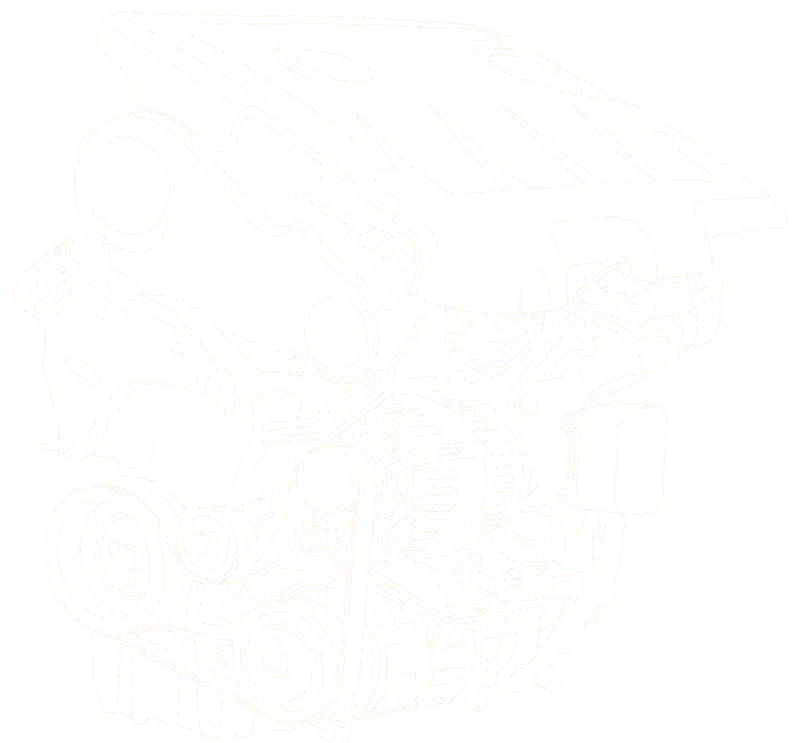
Volkswagen/EA189
Volkswagen · Single turbo

Volkswagen Tiguan EA189

Tiguan·5N·20072016·Verified 13 Jul 2026

"Since the emissions fix the car has seemed down on power and sluggish, and that's the best-case outcome for anyone who got the software update."

RISKY
52/ 100
"Dieselgate shadow never fully lifted"
Compare

Power Variants

110 hp · 240 Nm
CFFB
2007-2011
Entry-level tune, single turbo, least stressed of the range. Less commonly seen on the used market than the 140 PS version.
140 hp · 320 Nm
CBAB
2007-2016
The most common Tiguan Mk1 diesel tune, single turbo. Largest parts pool and best documented on forums, making diagnosis and repair straightforward.
170 hp · 350 Nm
CFGB
2008-2016
Higher tune of the same single-turbo hardware, more commonly paired with 4Motion all-wheel drive. Same EGR and DPF risk profile as the 140 PS version.
184 hp · 380 Nm
CFJB (BiTurbo)
2011-2016
Twin-turbo (BiTurbo) variant with a sequential turbo setup, only fitted with 4Motion and DSG. Adds an extra turbo actuator and control complexity not present on the single-turbo versions, so it carries its own additional failure point beyond the standard EA189 issues.

Recommendation

For most buyers the 140 PS or 170 PS single-turbo versions are the safer bet, they share the same well-documented EGR, DPF, and post-Dieselgate software issues but without the added complexity of the sequential BiTurbo unit. The 184 PS BiTurbo has more performance but introduces a second turbo and actuator system that adds another thing to fail and complicates diagnosis, so it should only be bought with a clean history and evidence of turbo maintenance. Across all variants, engine hp has no bearing on the Dieselgate software fix risk, that applies equally regardless of tune, so recall status and post-fix drivability matter more than which power output you choose.

30
Max HP
500
Torque Nm
10,000
Oil interval km
1
Recalls
4
Known issues

Known Issues

Dieselgate Emissions Software Fix, Performance and Reliability Fallout€500-3,000 · 0-250,000 kmCRITICAL

The EA189 engine was at the centre of the VW NOx emissions scandal. Post-recall software fixes have been widely reported to reduce power output, increase sluggishness, cause the emissions warning light to illuminate continuously, and worsen fuel economy. Many owners report the car never felt the same after the fix. Legal class actions were filed in multiple countries including South Africa and the UK.

Noticeable loss of power and throttle response after recall fix
Continuous emissions/EML warning light post-fix
Increased sluggishness under load
More frequent DPF regeneration cycles
DIY: Hard, requires specialist diagnostic equipment and ECU knowledge
EGR Cooler Failure / Leaks€400-1,200 · 80,000-180,000 kmHIGH

The EA189 1.6 and 2.0 TDI variants are known for EGR cooler problems. Coolant can leak internally or the cooler can crack, potentially allowing exhaust gases into the coolant circuit. This raises risk of head gasket stress and overheating if left unaddressed. The EGR valve itself is also prone to clogging with carbon deposits, especially on vehicles used predominantly for short trips.

Coolant loss with no visible external leak
White smoke from exhaust
Heater performance changes as engine warms up
Rough idle or loss of power
Exhaust gas smell from coolant reservoir
DIY: Moderate, EGR cooler replacement is accessible but requires coolant system work
Excessive DPF Regeneration Cycles€300-1,500 · 60,000-150,000 kmMODERATE

Community reports indicate the EA189 regenerates the DPF very frequently, even on highway driving. Post-emissions fix software worsened this for many owners. Frequent regeneration accelerates oil dilution and DPF wear, shortening the life of both the filter and the engine oil.

DPF warning light cycling on and off
Fuel smell in engine oil
Oil level rising above max on dipstick
Engine running rough during regen cycle
DIY: Easy to diagnose, moderate to remediate, may require forced regen or DPF cleaning
Post-Fix ECU Instability and Warning Lights€100-600 · 0-200,000 kmLOW

Following the mandated emissions recall software update, a subset of EA189 owners report persistent or intermittent fault codes and warning lights that were not present before the fix. These are linked to the emissions control system recalibration and can require multiple dealer visits to resolve, since the software itself is the root cause rather than a failed part.

Intermittent EML or emissions warning light
Occasional limp mode with no clear mechanical fault
Fault codes relating to NOx sensor or emissions system
DIY: Easy to scan, hard to fully resolve without dealer or specialist software intervention
Advertisement

Official Recalls

RecallNOx Emissions Control Software (Defeat Device)

Engine management software manipulated NOx emissions during testing; real-world NOx output significantly exceeded legal limits

Remedy: Mandatory software update (ECU reflash) issued by Volkswagen Group under regulatory agreement in multiple markets; some variants also received a physical flow straightener on the air intake

Buying Checklist

Confirm emissions recall status using VW's official VIN checker, verify whether the fix has been applied and ask for dealer paperwork
Perform a full VCDS/VAG-COM scan of all ECU modules and check for active or stored fault codes, especially NOx and emissions-related codes
Check engine oil level and smell for fuel dilution, a sign of excessive DPF regeneration and potential oil contamination
Pressure-test the cooling system and inspect the coolant for any discolouration, hydrocarbon smell, or exhaust gas contamination indicating EGR cooler failure
Request full service history and verify timing belt replacement has been completed within the last 120,000 km or 5 years
Road test under load at motorway speeds, note any sluggishness, power loss, limp mode, or DPF regen activity that may indicate post-fix software issues
If considering the BiTurbo 184 PS variant, ask specifically about turbo actuator history since the twin-turbo setup adds an extra failure point not present on single-turbo versions

Service Reality

Community oil interval10,000 km
Oil specificationVW 507.00 5W-30 longlife spec, shorter intervals of around 7,500-10,000 km strongly recommended by independent garages given DPF regen frequency and oil dilution risk
Est. ownership cost (2yr)€2,400-6,000 over 3 years depending on mileage, DPF and EGR condition, and whether emissions-related repairs are required
Real mix fuel consumption6.5 L/100km

Strong Points

Proven diesel architecture with strong longevity potential when properly maintained
Wide parts availability and extensive specialist knowledge across independent garages
Good torque output for real-world towing and motorway cruising
Large owner and tuning community means solutions to most problems are well-documented
Timing belt design (rather than chain) avoids the rear-chain failure risk seen on some rival diesel engines of this era

Also Found In

VW Golf Mk6 2.0 TDIVW Passat B7 2.0 TDIVW Scirocco 2.0 TDIAudi A3 2.0 TDI (8P)Audi A4 B8 2.0 TDISkoda Octavia Mk2 2.0 TDISEAT Leon Mk2 2.0 TDI

Time Bomb Parts Inspect Proactively

EGR Cooler
Inspect and pressure-test cooling system; replace EGR cooler if any sign of leakage or exhaust contamination in coolant
80,000 km
DPF (Diesel Particulate Filter)
Check soot load and ash load with diagnostic tool; clean or replace if heavily loaded, frequent short trips accelerate blockage
100,000 km
Timing Belt and Water Pump
Replace on schedule, belt-driven system, failure is catastrophic on this interference engine
120,000 km or 5 years
NOx Sensor / Emissions System
Scan for emissions-related fault codes; replace NOx sensor if triggering persistent warning lights post-recall fix
100,000 km

Buying Advice

The EA189 in the Tiguan Mk1 is a capable diesel with real longevity potential, but the Dieselgate scandal has cast a long shadow. Post-recall software fixes have genuinely degraded performance and reliability for a meaningful percentage of owners, and you need to know exactly what you are buying into. Always verify recall status before purchase and road test thoroughly for power loss or warning lights. EGR cooler failures and DPF issues are the primary mechanical risks, both manageable with pre-purchase inspection and proactive maintenance. If the car shows a clean VCDS scan, solid service history with timing belt done, and drives strongly with no post-fix complaints, it can still represent solid value, but budget for the possibility of DPF, EGR, or emissions system work in the medium term.

Community Sentiment

Divided. Long-term EA189 owners who avoided the worst of the emissions fix fallout report good reliability, but a significant portion of the community is frustrated by post-recall power loss, persistent warning lights, and increased DPF cycling. The engine's pre-scandal reputation was strong; its post-scandal reality is more complicated.

Frequently Asked Questions

// 16 logged
How reliable is the Volkswagen Tiguan EA189?

The Volkswagen Tiguan EA189 has a reliability score of 52/100, rated "RISKY". Dieselgate shadow never fully lifted

What are the common problems with the EA189?

The most frequently reported issues are Dieselgate Emissions Software Fix, Performance and Reliability Fallout, EGR Cooler Failure / Leaks, Excessive DPF Regeneration Cycles, Post-Fix ECU Instability and Warning Lights. See the Known Issues section above for symptoms, affected mileage, and repair costs.

Does the EA189 have dieselgate emissions software fix, performance and reliability fallout problems?

Yes, this is a documented issue on the EA189, typically appearing around 0-250,000 km. The EA189 engine was at the centre of the VW NOx emissions scandal. Post-recall software fixes have been widely reported to reduce power output, increase sluggishness, cause the emissions warning light to illuminate continuously, and worsen fuel economy. Many owners report the car never felt the same after the fix. Legal class actions were filed in multiple countries including South Africa and the UK. Typical repair cost: €500-3,000. DIY difficulty: Hard, requires specialist diagnostic equipment and ECU knowledge.

Does the EA189 have egr cooler failure / leaks problems?

Yes, this is a documented issue on the EA189, typically appearing around 80,000-180,000 km. The EA189 1.6 and 2.0 TDI variants are known for EGR cooler problems. Coolant can leak internally or the cooler can crack, potentially allowing exhaust gases into the coolant circuit. This raises risk of head gasket stress and overheating if left unaddressed. The EGR valve itself is also prone to clogging with carbon deposits, especially on vehicles used predominantly for short trips. Typical repair cost: €400-1,200. DIY difficulty: Moderate, EGR cooler replacement is accessible but requires coolant system work.

Does the EA189 have excessive dpf regeneration cycles problems?

Yes, this is a documented issue on the EA189, typically appearing around 60,000-150,000 km. Community reports indicate the EA189 regenerates the DPF very frequently, even on highway driving. Post-emissions fix software worsened this for many owners. Frequent regeneration accelerates oil dilution and DPF wear, shortening the life of both the filter and the engine oil. Typical repair cost: €300-1,500. DIY difficulty: Easy to diagnose, moderate to remediate, may require forced regen or DPF cleaning.

Does the EA189 have post-fix ecu instability and warning lights problems?

Yes, this is a documented issue on the EA189, typically appearing around 0-200,000 km. Following the mandated emissions recall software update, a subset of EA189 owners report persistent or intermittent fault codes and warning lights that were not present before the fix. These are linked to the emissions control system recalibration and can require multiple dealer visits to resolve, since the software itself is the root cause rather than a failed part. Typical repair cost: €100-600. DIY difficulty: Easy to scan, hard to fully resolve without dealer or specialist software intervention.

Is the EA189 worth buying used?

The EA189 in the Tiguan Mk1 is a capable diesel with real longevity potential, but the Dieselgate scandal has cast a long shadow. Post-recall software fixes have genuinely degraded performance and reliability for a meaningful percentage of owners, and you need to know exactly what you are buying into. Always verify recall status before purchase and road test thoroughly for power loss or warning lights. EGR cooler failures and DPF issues are the primary mechanical risks, both manageable with pre-purchase inspection and proactive maintenance. If the car shows a clean VCDS scan, solid service history with timing belt done, and drives strongly with no post-fix complaints, it can still represent solid value, but budget for the possibility of DPF, EGR, or emissions system work in the medium term.

Should I buy a Volkswagen Tiguan with the EA189 engine?

For most buyers the 140 PS or 170 PS single-turbo versions are the safer bet, they share the same well-documented EGR, DPF, and post-Dieselgate software issues but without the added complexity of the sequential BiTurbo unit. The 184 PS BiTurbo has more performance but introduces a second turbo and actuator system that adds another thing to fail and complicates diagnosis, so it should only be bought with a clean history and evidence of turbo maintenance. Across all variants, engine hp has no bearing on the Dieselgate software fix risk, that applies equally regardless of tune, so recall status and post-fix drivability matter more than which power output you choose.

What should I check before buying a used EA189?

Before buying, check: Confirm emissions recall status using VW's official VIN checker, verify whether the fix has been applied and ask for dealer paperwork; Perform a full VCDS/VAG-COM scan of all ECU modules and check for active or stored fault codes, especially NOx and emissions-related codes; Check engine oil level and smell for fuel dilution, a sign of excessive DPF regeneration and potential oil contamination; Pressure-test the cooling system and inspect the coolant for any discolouration, hydrocarbon smell, or exhaust gas contamination indicating EGR cooler failure; Request full service history and verify timing belt replacement has been completed within the last 120,000 km or 5 years.

How many km will a EA189 last?

There's no fixed mileage limit, it depends on maintenance. The parts worth budgeting for proactively are: EGR Cooler (80,000 km), DPF (Diesel Particulate Filter) (100,000 km), Timing Belt and Water Pump (120,000 km or 5 years), NOx Sensor / Emissions System (100,000 km). Engines that clear these checkpoints with documented maintenance commonly continue well beyond typical ownership periods.

Is there a recall for the nox emissions control software (defeat device) on the EA189?

Engine management software manipulated NOx emissions during testing; real-world NOx output significantly exceeded legal limits Remedy: Mandatory software update (ECU reflash) issued by Volkswagen Group under regulatory agreement in multiple markets; some variants also received a physical flow straightener on the air intake

How much does it cost to maintain a EA189?

Estimated ownership cost is €2,400-6,000 over 3 years depending on mileage, DPF and EGR condition, and whether emissions-related repairs are required, based on known issues and typical service needs.

What is the real-world fuel consumption of the EA189?

Owners report real-world fuel consumption of around 6.5 L/100km.

What oil should I use in a EA189, and how often?

Community-reported real-world usage suggests changing oil every 10,000 km using VW 507.00 5W-30 longlife spec, shorter intervals of around 7,500-10,000 km strongly recommended by independent garages given DPF regen frequency and oil dilution risk, often more conservative than the official service schedule.

What other cars use the EA189 engine?

The EA189 is also found in: VW Golf Mk6 2.0 TDI, VW Passat B7 2.0 TDI, VW Scirocco 2.0 TDI, Audi A3 2.0 TDI (8P), Audi A4 B8 2.0 TDI, Skoda Octavia Mk2 2.0 TDI, SEAT Leon Mk2 2.0 TDI.

Why does the EA189 have a bad reputation?

Dieselgate shadow never fully lifted The biggest recurring complaint is Dieselgate Emissions Software Fix, Performance and Reliability Fallout. Divided. Long-term EA189 owners who avoided the worst of the emissions fix fallout report good reliability, but a significant portion of the community is frustrated by post-recall power loss, persistent warning lights, and increased DPF cycling. The engine's pre-scandal reputation was strong; its post-scandal reality is more complicated.

Advertisement